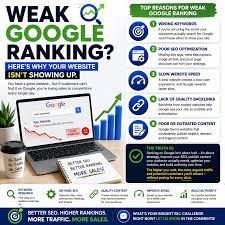
Search is shifting from blue links to AI answers. Here is how to structure your content so AI engines cite and recommend you.
The Search Behaviour Shift
Millions of users now start product research in ChatGPT or Perplexity instead of Google. Google's AI Overviews answer queries on the results page itself. The common thread: engines synthesise answers and cite a handful of sources — not ten blue links.
For site owners the question changes from 'how do I rank?' to 'how do I get cited?' Citations drive both direct traffic and brand trust, and being the cited source in your niche compounds over time.
What AI Engines Actually Reward
Clear, direct answers to specific questions. AI engines love content that opens with the answer, then supports it — the inverse of the old 'build suspense' blog style. Structure with descriptive headings, short paragraphs, lists and tables.
Specificity beats volume. One page that precisely answers 'how much does a WordPress site cost in Pakistan in 2026, with real ranges' outperforms ten generic posts. Real numbers, real examples, first-hand experience — these are things synthesis engines cannot fake.
Technical Foundations Still Matter
AI crawlers cannot cite what they cannot access. Keep robots.txt open to GPTBot, PerplexityBot, ClaudeBot and their kin (unless you have a reason not to). Clean semantic HTML, fast load times, and working structured data remain the entry ticket.
Schema markup (Article, FAQ, HowTo, Product) helps engines understand what your content is, which increases the odds of correct citation. Traditional SEO fundamentals — authority, backlinks, freshness — still feed the systems AI engines learn from.
Brand Mentions Beat Backlinks (Almost)
AI engines lean on whatever the web says about you, not just your own site. Reviews, directory listings, GitHub projects, community answers — consistent, accurate mentions across the web make you the credible source in your topic.
Practical step: search your service in ChatGPT and Perplexity right now and see who gets recommended. That is your competitive set. Study what those cited pages do differently.
A 30-Day AI SEO Plan
Week 1: audit robots and crawlability, add or fix schema. Week 2: rewrite your top three pages to lead with direct answers. Week 3: publish one genuinely specific, experience-based article. Week 4: get listed in relevant directories and communities, then track citation changes monthly.
The sites winning AI citations are not gaming the system — they are simply the clearest, most specific, most verifiable sources in their niche. Be that, and the citations follow.
Conclusion
AI search rewards the same thing good SEO always has: genuinely useful, well-structured, verifiable content. The difference is that clarity and specificity now matter more than keyword coverage — and being quotable matters as much as being rankable.
I build websites with AI-era SEO baked in: semantic structure, schema markup, fast pages and content architecture designed to be cited. If you want your site ready for the next phase of search, let's talk.
Want help with your project?
I build fast, modern and SEO-ready websites. Let's talk about what you need — I usually respond within a few hours.
Get in Touch →
Malik Kashan
Frontend & WordPress Developer · Lahore, Pakistan
I build fast, SEO-ready websites for startups and businesses worldwide using Next.js, React and WordPress.
Hire Me for Your Project